Packaging and logistics
PPWR 2026: plan packaging alongside the component
PPWR brings new considerations to packaging. Practical questions for planning product protection, assembly and logistics together.
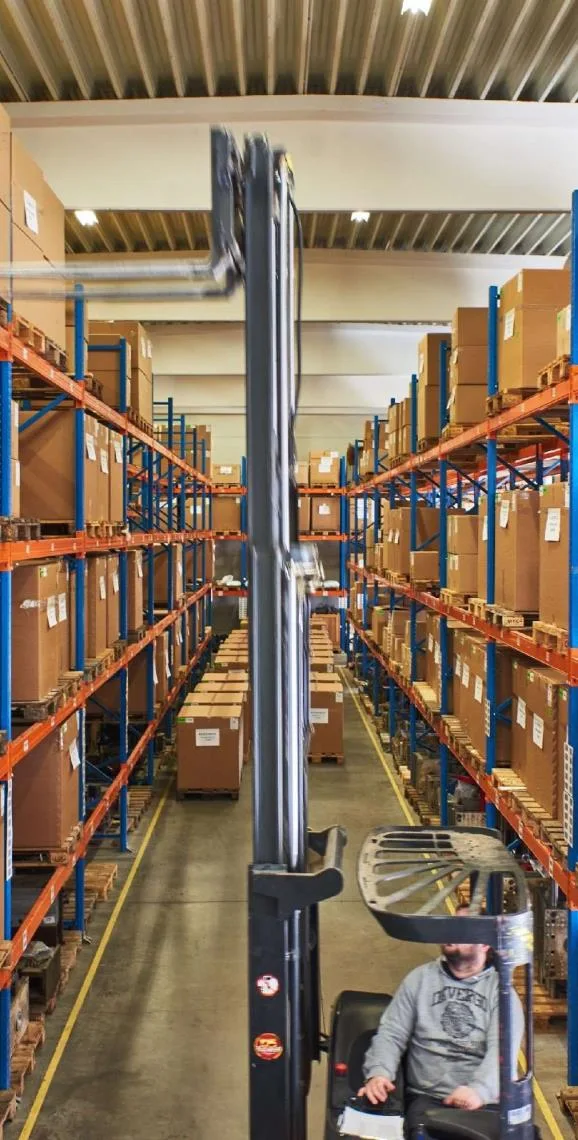
Discuss product, packaging and transport requirements together, while establishing their legal classification separately.
A finished component still has to reach the customer
The drawing is final and assembly is agreed, but packaging has only been described as “in boxes”. Quantity per pack, surface protection and goods receipt may all remain open. These details deserve attention while the quotation is being prepared.
PPWR generally applies from 12 August 2026, with separate schedules for individual requirements. It concerns packaging; a technical component is not within scope simply because of its material. Sources linked here were checked on 16 October 2026.
Follow one shipment through the process
The component is manufactured, perhaps assembled, then packed, stored and handed to the carrier. At the customer’s site it is moved again, unpacked or taken to the next operation. Each step can raise a different packaging question.
List the product, protective insert, box and transport unit separately. Record who packs and unpacks them, and what happens to each element afterwards. This description helps technical planning and gives specialists a clearer basis for assessing legal classification and deadlines.
Box dimensions are only the starting point
For a component with a sensitive surface, first establish where parts may touch each other. In another project, the priority may be preventing similar variants from getting mixed up. Include protection, product and batch identification, and customer requirements in the packaging specification.
Consider the recipient’s work too. The unit needs to be safe to handle and suitable for the next operation. Manufacturer and customer need a shared understanding of these details.
When discussing assembly with KMT, the condition in which the unit moves on can be agreed at the same time. If the customer expects a fully assembled product, its packaging requirements need to reflect that delivery condition.
Returnable containers need a return route
Choosing a reusable container immediately raises practical questions: who collects it, where is it stored, who cleans it, and how does it get back? Somebody also needs responsibility for replacing damaged units. Without those arrangements, reuse remains only a possibility.
Compare single-use and returnable options for the same task. Quantities, delivery frequency and the return journey together provide a basis for the decision. Cost or environmental benefits should only be claimed once these factors are understood.
Specify the delivery condition in your enquiry
Do you need separate parts, an assembled unit or a product packed in a particular way? KMT can discuss injection moulding, assembly and logistics together, so make the required delivery condition part of the first conversation.
If there is no packaging specification yet, describe the product’s journey and the customer’s expectations. That is enough to start the technical discussion. PPWR classification, evidence of compliance and responsibilities still need separate assessment for the actual project.
Sources
Industry sources and practical project-planning guidance.