Material selection
Recycled plastics: what to clarify before changing material
Considering recycled plastics for technical components? A practical guide to requirements, supplier documentation and sample approval in 2026.
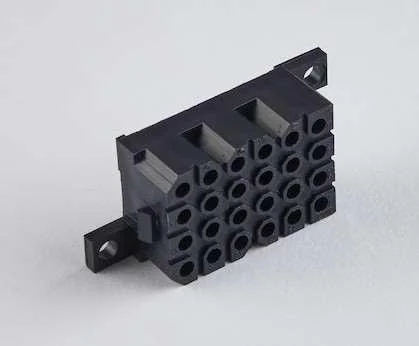
Recycled content is an important data point, but suitability must be established for the component’s specific application.
A material change rarely stops at purchasing
You want to make the same component using a material with recycled content. The drawing is ready and the mould is available. Before ordering another grade, though, you need to agree what the customer will accept from the new version.
Plastics Europe’s 2026 report adds timely context: growth in European circular plastics production has slowed. The report examines data from 2022 to 2024. That helps explain the supply landscape; suitability for an individual component still needs a separate, application-specific assessment.
What needs to stay the same?
For a visible housing, colour and surface finish may be part of acceptance. For a concealed component, fit or function may take priority. List the properties that must remain unchanged and those where there is room to adjust. This gives the material search a practical starting point.
Clarify any specific compliance requirements at this stage. If the application requires particular evidence, check its availability before trial production.
In design discussions with KMT, material selection can start from the component’s intended function. That allows the candidate material to be considered alongside the design and planned manufacturing process before sampling conditions are agreed.
Ask beyond the data sheet
Alongside the exact grade and processing recommendations, ask how the supplier defines and substantiates recycled content. Batch identification matters, as does the timing and method of notifying customers about changes.
Availability of trial material does not establish how series production will be supplied. Ask separately about quantities, delivery schedules and the documentation required for the intended application.
A sample should answer a specific question
A sample that “looks fine” is not enough on its own to close out a material change. Agree what you will check before the trial: fit, assembly or another characteristic arising from the intended use. The project participants need to establish the method and acceptance limit.
Include the material grade and drawing revision in the approval record. They give you a reference when a new supplier, different material or revised design is proposed later.
Bring the starting point, not a finished solution
Product development and manufacturability analysis with KMT allows material selection and manufacturability to be discussed together. Useful starting information includes the current material grade, the component’s function and the reason for the change.
If recycled content is the objective, raise it at the outset. Decisions about the material and any modifications need to take the design, mould and required testing into account.
Once a candidate material has been identified, preparation for injection moulding can clarify the trial conditions. If the part connects to other components, bring the assembly requirements to the discussion too; they also provide a reference for evaluating samples.
Sources
Industry sources and practical project-planning guidance.